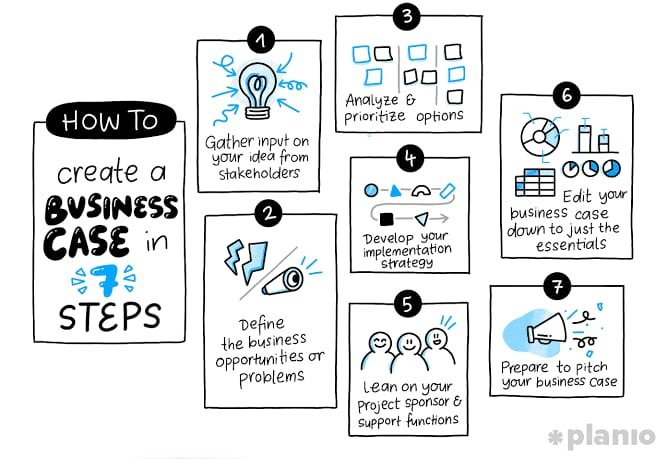

Most ILM learners do something that quietly costs them career momentum. They finish the work-based project, submit it, and let it sit in a folder. But what they’ve actually produced – real organizational research, evidence-based recommendations, structured problem analysis – is almost exactly what a business case looks like. The project you spent months building isn’t just a qualification deliverable. Done right, it’s one of the strongest internal business cases you’ll ever produce.
There’s a difference between work that gets marked and work that gets noticed. This guide helps you move into the second category.
Why Your ILM Project Already Has Business Case DNA
ILM projects aren’t set up like traditional academic work. They come from real-world problems, shaped by real teams and real outcomes. That structure – problem, research, solution, impact – mirrors exactly what a business case looks like.
The gap isn’t in the content. It’s in the positioning.
According to the Chartered Management Institute, managers who demonstrate applied learning with measurable business impact are significantly more likely to be considered for senior roles than those who rely on qualifications alone. The evidence of what you did carries more weight than the certificate on the wall.
What Senior Leaders Actually Look For
Before you rework anything, get clear on your audience. Your line manager or leadership team aren’t reading academic submissions. They’re scanning fast, looking for three things:
Is there a problem worth solving? Did this person understand our business? What changed because of their work?
Your ILM project likely answers all three – but those answers are buried in reflective writing, literature references, and appendices. The business case version cuts through all of that and leads with impact.
How to Reframe the Project Without Starting From Scratch
This is where the real work happens.
Lead with the outcome, not the background. Most project reports open with context. A business case opens with the result. Something like: “Over five months, I identified a £35,000 annual inefficiency in our onboarding process and designed a solution that reduced early staff turnover by 20%.” That one sentence changes the conversation before it even starts.
Swap academic language for operational language. Phrases like “critically analyze” and “applied theoretical framework” don’t land in a boardroom. Replace them with “we tested,” “the data showed,” and “the team implemented.” Same thinking, completely different effect.
Quantify everything you touched. Time saved. Cost reduced. Staff engaged. Processes improved. No exact numbers? give a realistic estimate and say so. Being clear about that builds trust – it doesn’t weaken your point.
Connect your findings to what the business cares about right now. Look at where your organization is heading – growth targets, retention, efficiency, and connect your project to those goals.
pros and cons of AI It’s often skipped, but it’s the difference between showing strategy and just ticking boxes.
Structure It So a Decision-Maker Can Read It in Five Minutes
Busy leaders skim. Design your document with that in mind.
Executive Summary (Half a Page)
One paragraph: the problem, your approach, the result. Write this last – place it first.
The Problem Statement
Two to three paragraphs. What was broken, why it mattered, and what it was costing the organization. Specifics are everything here.
What You Did
Not a methodology section – a clear account of the decisions made, the actions taken, and how you worked with stakeholders. This is where your leadership behaviours become visible.
Results and Evidence
Your strongest section. Data, outcomes, and if you have it, a brief quote from a colleague or stakeholder. Peer testimony adds weight that numbers alone can’t always provide.
What Should Happen Next
Even if the project is finished, propose a next phase, a policy change, or a wider rollout recommendation. It shows you’re thinking beyond the task in front of you.
Getting the Writing Right
The gap between a solid ILM project and a compelling business case is almost always the writing. Academic writing hedges. Business writing persuades.
Read your draft back and ask: “Would someone want to act on this?” If the answer is hesitant, rewrite until it isn’t.
This is the point where things get tricky. The ideas are there, but shaping workplace experience into polished, confident prose isn’t as straightforward as it sounds.. If that’s where you are, working with a skilled assignment helper who understands ILM frameworks and business communication can help you say what you already know, more effectively. That’s not a shortcut – that’s using the right resource at the right moment.
The Moment You Present It
Once the document is ready, the framing of the conversation matters just as much. Request a meeting specifically around “sharing insights from your professional development.” Bring a one-page summary. Lead with the data. Prepare for questions on scale, resource, and risk.
Most people wait to be given an opportunity to prove themselves. This approach creates one.
One Last Thing
Your ILM work-based project already contains everything a strong business case needs. The qualification proves you can think. The business case proves you can lead.
If you’re currently working through your ILM and want your project to hold up to that standard from the very beginning, not just at submission, specialist ILM assignment help focused on real-world application makes a genuine difference to where that work takes you professionally.
Don’t let it sit in a folder. Put it to work.