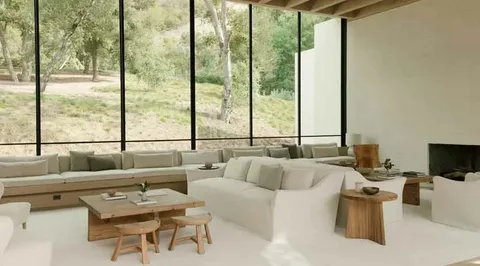

There’s a meaningful difference between a house that’s simply been furnished and a home that’s genuinely been designed to be lived in. That difference rarely comes down to budget alone — it usually comes down to attention paid to details most people overlook entirely, right up until the moment they finally notice what’s been missing all along.
This article covers four areas worth genuine attention when it comes to making a house feel properly like home: getting materials right rather than just chasing colour trends, understanding why layout decisions carry more weight than most people assume, resisting the urge to rush big furnishing decisions, and recognising why the small things genuinely compound over time.
Getting Materials Right, Not Just Colours
When most people think about home decor, they think about colour first. But material choice arguably matters more, since it affects everything from how a room feels underfoot to how well furniture holds up over years of daily use. A beautifully coloured sofa in a poor-quality fabric will look tired within a year, while a genuinely well-made piece in a more muted tone will still look considered a decade later.
This distinction matters more than most furnishing guides ever really explain. Understanding the actual construction behind a piece of furniture — what’s inside the upholstery, how joints are put together, whether a “solid wood” claim genuinely means what it says — separates buyers who make genuinely lasting choices from those who end up replacing furniture far more often than they’d like.
For anyone wanting to understand this properly rather than guessing, Immaterial is a genuinely useful resource, cutting through marketing language to help you understand what you’re actually paying for before you commit.
Layout Decisions That Actually Matter
Beyond materials, layout decisions carry disproportionate weight in how a space genuinely feels day to day. Traffic flow, furniture placement, and how a room adapts to actual daily use all matter considerably more than most people initially assume when they’re focused purely on style. A perfectly styled room that’s genuinely awkward to move through will always feel slightly wrong, no matter how good it looks in photographs.
Taking time to properly plan a room’s layout before committing to furniture — rather than buying pieces first and figuring out placement afterward — consistently produces better, more genuinely livable results. This means measuring properly, thinking through how you’ll actually use the space day to day, and being honest about whether a specific arrangement will still make sense once real life, rather than an idealised version of it, moves in.
Resisting the Urge to Rush Big Decisions
Furnishing a home well takes time, and one of the most common mistakes is trying to finish a room in a single weekend rather than letting the right pieces emerge gradually. Rushed decisions, made under pressure to simply “get it done,” tend to produce homes that look assembled rather than genuinely considered.
This is worth remembering particularly for larger, more expensive purchases where a wrong choice is genuinely costly to correct. Taking the time to properly research, compare, and sit with a decision before committing tends to produce considerably more satisfying long-term results than acting on impulse. Impetuous offers a useful, independent perspective on exactly this kind of decision-making discipline, worth reading before your next significant home purchase.
Why the Small Things Compound
None of these individual decisions feels dramatic on its own. But layered together — the right materials, thoughtful layout, patient decision-making — they compound into a home that genuinely feels considered rather than assembled piecemeal. It’s the accumulation of dozens of small, sound choices, not one single dramatic renovation, that ultimately makes the difference.
Getting the overlooked details right — material honesty, genuine layout planning, and resisting the pull of rushed decisions — is what separates a house from a home. It’s rarely about spending more; it’s about paying attention to what actually matters, one considered decision at a time.