
Health and fitness are no longer limited to traditional indoor gyms. People are increasingly looking for varied ways to stay active, whether that means exercising outdoors, exploring alternative approaches to wellbeing or introducing enjoyable activities that combine movement with skill development.
A balanced approach can make physical activity more engaging and sustainable. From community fitness facilities to individual wellbeing strategies, the right combination of exercise and healthy habits can support people at different stages of life.
Bringing Fitness Outdoors
Outdoor exercise has become increasingly popular among people who want to enjoy physical activity in a fresh and open environment. Parks, schools, leisure centres and residential developments can all benefit from dedicated outdoor fitness equipment.
Working with an outdoor gym supplier can help organisations create spaces that accommodate different types of exercise. Equipment may include resistance stations, pull-up bars, balance equipment, cycling machines and other fitness installations designed for outdoor use.
One advantage of outdoor gyms is their accessibility. A well-planned space can encourage people to incorporate exercise into their daily routines without necessarily requiring a traditional gym membership. They can also provide opportunities for people to exercise alongside friends, family members or other members of their community.
When developing an outdoor fitness area, careful planning is important. Equipment should be suitable for the intended users, while factors such as ground conditions, accessibility, positioning and maintenance should also be considered. Clear instructions can help users understand how equipment should be used safely.
The Role of Nutritional Support
Exercise is only one part of a healthy lifestyle. Nutrition can also influence energy levels, recovery and general wellbeing. This has led many people to explore approaches that consider diet alongside their individual circumstances.
Nutritional therapy is an approach that focuses on using nutrition and dietary strategies to support health and wellbeing. Practitioners may consider an individual’s eating habits, lifestyle and broader needs when providing guidance.
Anyone considering nutritional advice should look for appropriately qualified professionals and be cautious about claims that promise guaranteed health outcomes. Nutrition is a complex area, and dietary requirements can differ considerably between individuals.
A sensible approach involves looking at the overall quality of a person’s diet rather than focusing exclusively on individual foods or restrictive trends. A varied diet that includes appropriate amounts of fruit and vegetables, protein sources, whole grains and healthy fats can form part of a balanced lifestyle.
Making Exercise Enjoyable
Enjoyment is an important factor when developing an active lifestyle. People are more likely to continue exercising when they find activities engaging rather than treating fitness purely as a chore.
Gymnastics and movement-based activities can provide an excellent way to combine physical exercise with coordination, balance and skill. A gymnastic trampoline, for example, can be used in training environments where jumping, body control and movement skills are incorporated into structured activities.
Trampolining can be physically demanding and should be approached with appropriate supervision and safety measures. Suitable equipment, adequate space and proper instruction are particularly important when children or inexperienced participants are involved.
Supporting Different Fitness Goals
Not everyone has the same reason for exercising. Some people may want to improve cardiovascular fitness, while others may focus on strength, flexibility, coordination or general wellbeing.
Providing a variety of activities can make fitness environments more inclusive. Outdoor equipment can support strength and conditioning, movement activities can develop coordination, and nutritional guidance can complement broader lifestyle goals.
A varied approach may also help prevent exercise from becoming repetitive. Trying different activities can introduce new challenges and allow individuals to discover forms of movement they genuinely enjoy.
Creating Sustainable Habits
Long-term health is often influenced by consistency rather than short periods of intense effort. Building realistic habits can make it easier to maintain an active lifestyle over time.
This might involve walking more regularly, using an outdoor fitness facility, participating in recreational activities or making gradual improvements to everyday eating habits. Small changes can become easier to maintain when they fit naturally into an individual’s routine.
Rest and recovery should also be considered. Allowing the body sufficient time to recover between demanding activities can help people maintain a sustainable approach to exercise.
A Balanced Path to Better Wellbeing
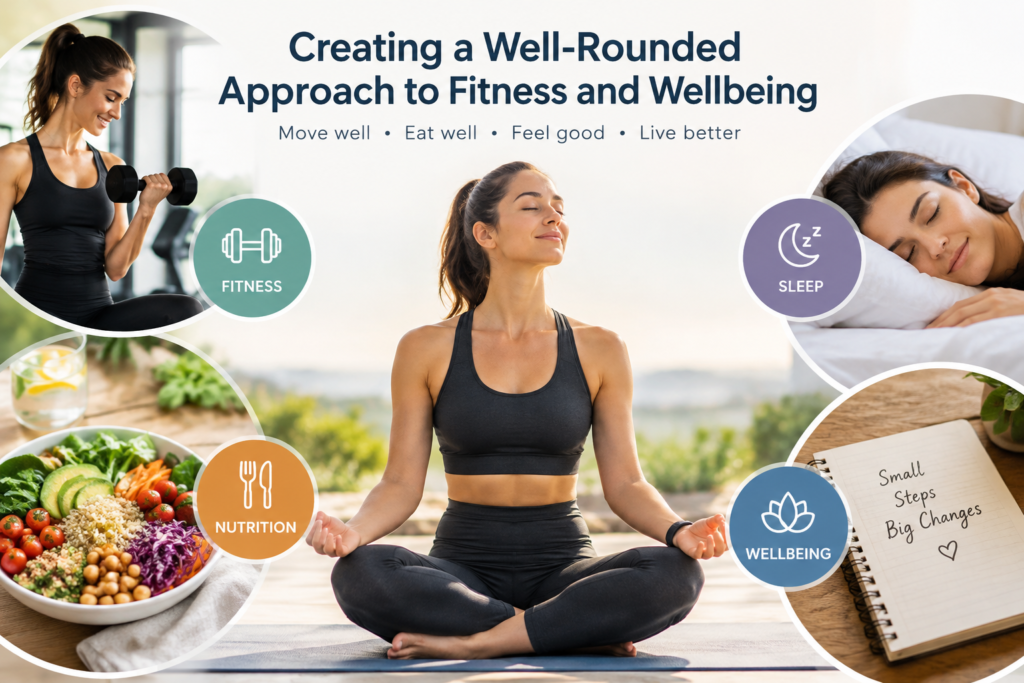
Fitness and wellbeing encompass much more than a single type of exercise or diet. Combining physical activity with sensible nutritional choices and enjoyable movement can create a more rounded approach to health.
Whether communities are developing outdoor exercise spaces, individuals are exploring nutritional support or families are looking for engaging physical activities, thoughtful choices can help make an active lifestyle more accessible and enjoyable.
Ultimately, the most effective approach is one that is realistic, varied and sustainable. By finding activities that suit individual needs and creating healthy routines that can be maintained over time, people can take positive steps towards supporting their physical fitness and overall wellbeing.