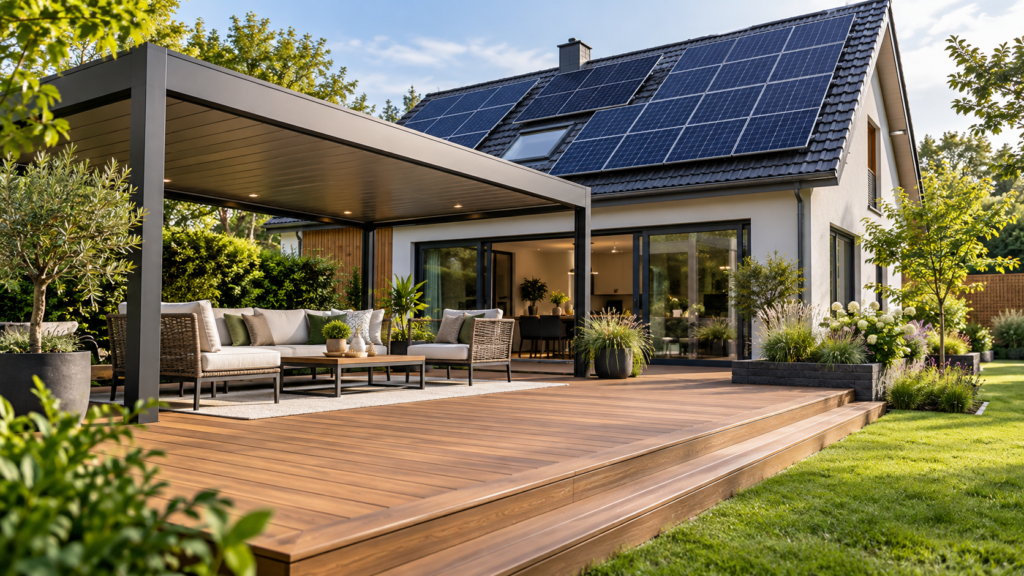

Creating functional and attractive outdoor spaces has become an important priority for homeowners, businesses and educational institutions. From transforming a garden into a welcoming place to relax to improving energy efficiency and making school playgrounds more versatile, carefully chosen improvements can deliver lasting benefits. Modern materials and sustainable technologies offer practical ways to enhance properties while supporting changing lifestyles and environmental goals.
Whether planning a residential renovation or upgrading a commercial or educational setting, understanding the available options can help property owners make informed decisions. Quality installation, thoughtful design and long-term maintenance are all essential when investing in improvements that need to perform well for years.
Transforming Gardens with Contemporary Decking
A well-designed garden can provide valuable additional living space, particularly during the warmer months. Decking creates a defined area for outdoor dining, entertaining guests or simply enjoying time outside. It can also help connect the house with the surrounding landscape, creating a more cohesive appearance.
For homeowners considering Composite decking in Surrey, this material offers an alternative to traditional timber that combines a contemporary finish with practical maintenance advantages. Composite decking is generally manufactured using a combination of wood fibres and recycled or new plastic materials, although the precise composition varies between products.
One of its main attractions is its resistance to many of the problems associated with conventional timber. Quality composite boards are designed to resist splintering, and many require less routine maintenance than wooden alternatives. Instead of regular staining or painting, homeowners typically need to clean the surface periodically according to the manufacturer’s recommendations.
There are several design options available, including different colours, textures and board profiles. Grey and charcoal finishes can complement modern properties, while warm brown shades may suit more traditional gardens. The choice of colour should be considered alongside existing paving, fencing, exterior walls and planting.
Installation is equally important. The ground beneath the decking must be properly prepared, with suitable drainage and a stable supporting structure. Adequate ventilation and appropriate spacing can help manage moisture and temperature-related movement. Choosing materials that suit the intended use and local conditions can improve the finished appearance and long-term performance.
Making Properties More Energy Efficient with Solar Power
Alongside outdoor improvements, renewable energy is becoming an increasingly important consideration for property owners. Solar photovoltaic panels generate electricity from daylight, providing an opportunity to reduce reliance on electricity purchased from the grid.
For those exploring renewable energy options, solar panel installers Hampshire can be a useful starting point when researching professional services in the county. A suitable installation begins with an assessment of the property’s roof, electricity consumption and potential solar generation.
Roof orientation, shading, available space and the condition of the existing roof can all influence system performance. Although south-facing roofs often provide favourable conditions in the UK, other orientations can also support useful electricity generation. A professional assessment can help establish the most appropriate system size and configuration.
Homeowners should consider how much electricity they use during daylight hours, as using solar-generated electricity directly can improve the financial value of an installation. Battery storage may provide additional flexibility by storing surplus generation for later use, although the benefits depend on household consumption, system costs and electricity tariffs.
When comparing installation quotations, it is sensible to examine equipment specifications, warranties, estimated generation and aftercare arrangements. Property owners should also check the installer’s relevant qualifications and confirm which electrical and building requirements apply.
Solar panels represent a longer-term investment, so realistic expectations are important. Actual savings depend on installation costs, weather conditions, electricity prices and household energy habits. A carefully designed system can nevertheless contribute to lower electricity bills and reduced operational carbon emissions.
Creating Comfortable Outdoor Areas with School Canopies
Schools also benefit from improvements that make outdoor spaces more practical throughout the academic year. Playgrounds, courtyards and outdoor learning areas can support physical activity, social interaction and lessons beyond the classroom. However, exposure to rain and strong sunlight can sometimes restrict their use.
A school canopy can provide a sheltered area that helps schools make better use of their available outdoor space. Depending on its size and design, it may accommodate outdoor seating, supervised activities, group learning or sheltered areas for pupils during breaks.
When planning a canopy, school leaders should consider the age of the pupils, the number of people likely to use the space and the activities it needs to support. The design should provide suitable clearance, effective drainage and appropriate protection from the elements.
Materials and structural specifications also require careful attention. Canopies must be suitable for the site and designed to withstand relevant wind and weather conditions. Accessibility, visibility and safe movement around the structure should form part of the planning process.
It is also important to consider maintenance and cleaning requirements. Durable materials and a practical design can help schools manage ongoing upkeep while ensuring that the structure remains suitable for regular use. Planning permission and building regulations should be checked where applicable before installation begins.
A well-positioned canopy can support outdoor teaching, provide a place for pupils to gather and make certain activities possible in a wider range of weather conditions.
Planning Improvements for Lasting Benefits
Decking, solar panels and school canopies serve different purposes, but each demonstrates the value of planning property improvements around practical needs. Composite decking can enhance garden usability, solar installations can support energy efficiency, and canopies can make educational outdoor spaces more versatile.
The best results come from considering quality, suitability and long-term costs before making a commitment. By choosing appropriate materials, working with experienced professionals and planning for maintenance, property owners and school managers can create spaces that are more comfortable, efficient and useful.
With a thoughtful approach, these improvements can enhance everyday experiences while supporting broader goals for sustainability, functionality and responsible property management.