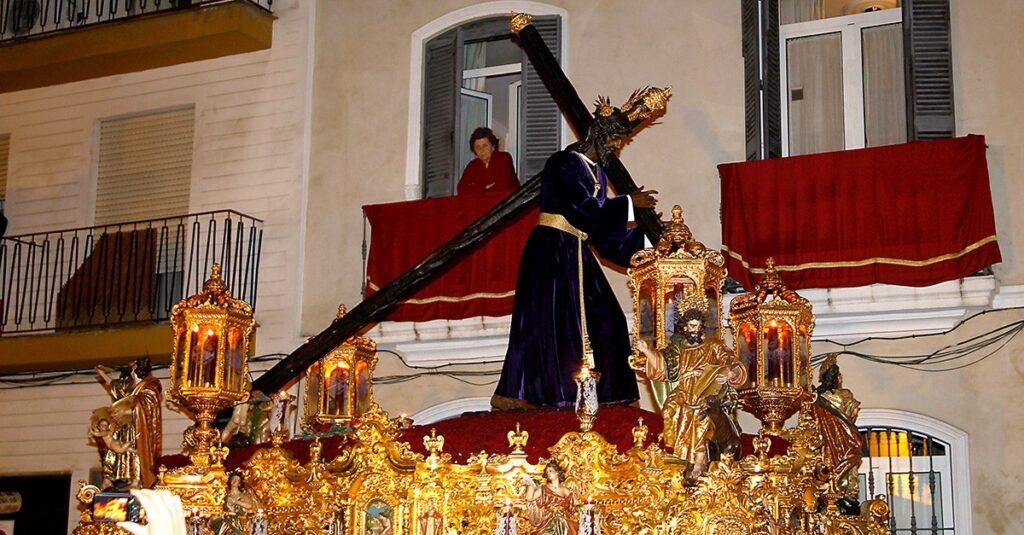

Understanding Semana Santa: A Cultural and Religious Overview
Semana Santa, or Holy Week, is a significant event in the Christian calendar, celebrated with fervor across various countries. Its origins trace back to the early days of Christianity, where the week leading up to Easter was dedicated to commemorating the Passion of Jesus Christ. This period encompasses the events from Palm Sunday, which marks Jesus’ triumphant entry into Jerusalem, to Easter Sunday, celebrating His resurrection. Each day of this week is filled with rituals and observances that not only honor religious beliefs but also express the cultural identity of the regions where they are celebrated.
The significance of Semana Santa varies across different cultures, showcasing a rich tapestry of expressions. In Spain, for example, elaborate processions on the streets of cities such as Seville and Granada feature ornate religious floats and solemn music, drawing thousands of participants and onlookers. This deep-rooted tradition embodies both spiritual devotion and a communal gathering, as families often partake in the festivities, preserving cultural heritage. Similarly, in Latin American nations such as Guatemala and Mexico, vibrant colors and local customs manifest the unique interpretations of Semana Santa, with local artisans creating intricate alfombras (carpets) made from natural materials to adorn the streets during the processions.
Furthermore, the importance of Semana Santa transcends mere religious observance; it serves as an important socio-cultural touchstone. As communities come together to participate in these rituals, they reinforce bonds of solidarity and shared identity. The artistic elements present during the celebrations, from visual arts to music, highlight regional diversity, while simultaneously fostering a sense of global connection through the commonality of faith in Christianity. Thus, Semana Santa 2026 presents an opportunity not only for spiritual reflection but also for appreciating the rich cultural landscapes that this holy week encompasses.
Key Dates and Events for Semana Santa 2026
Semana Santa, or Holy Week, is set to take place from March 29 to April 4 in 2026, offering a week of deeply rooted traditions and celebrations across various regions, particularly within Spain and Latin American countries. This period is marked by a series of significant events that hold cultural and spiritual importance.
Beginning on Palm Sunday, March 29, 2026, the week opens with the blessing and procession of palm fronds, symbolizing Jesus’ triumphant entry into Jerusalem. This day often sees vibrant processions and gatherings, with attendees carrying palms, which are later taken home as a sign of faith.
The following days lead up to Maundy Thursday, April 2, which commemorates the Last Supper. Traditional practices include foot-washing ceremonies and Eucharistic celebrations. Many regions also showcase nighttime processions that display elaborate floats adorned with religious imagery, capturing the reverence of the night.
Good Friday, April 3, represents the crucifixion of Jesus and is marked by somber observances including fasting and mourning. Processions often feature representations of the Crucifixion, drawing both locals and tourists alike, who wish to witness this poignant reflection on faith and sacrifice.
Finally, Easter Sunday, which falls on April 4, marks the culmination of Semana Santa 2026 with joyous celebrations, signifying the resurrection of Christ. Various communities may host festive meals, family gatherings, and lively parades that encourage participation, further embedding the cultural heritage of this holy week.
In sum, Semana Santa 2026 will be a period rich with significant dates and events, presenting a unique opportunity for individuals to engage in time-honored customs, reflecting both spirituality and community bonding. Each day offers varied activities that can be observed by attendees, ensuring a comprehensive experience throughout the week.
Celebrations of Semana Santa in Various Locations
Semana Santa, or Holy Week, is characterized by unique and vibrant celebrations across the globe. Each region boasts its own traditional customs, rituals, and forms of expression, making the Semana Santa 2026 experience distinctly diverse.
One of the most iconic celebrations occurs in Seville, Spain, where the Semana Santa festivities are renowned for their elaborate processions. These parades take place daily during the week leading to Easter Sunday. Beautifully adorned floats, known as ‘pasos,’ are carried through the streets, showcasing religious imagery and intricate craftsmanship. Participants wear traditional robes, known as ‘nazarenos,’ which add to the solemn yet stunning atmosphere. These events are accompanied by the hauntingly beautiful music of brass bands, creating a breathtaking ambiance that transports participants and spectators alike into the heart of this cultural heritage.
Moving westward, the picturesque town of Antigua in Guatemala presents a different yet equally engaging Semana Santa 2026 experience. Here, the celebration is marked by vibrant street carpets crafted from colored sawdust, fruits, and flowers. These alfombras are made with painstaking care, transforming the streets into elaborate artworks that precede the processions. Each procession is accompanied by the ‘cofradías’ or brotherhoods, who parade through the streets dressed in traditional attire, further enriching the communal spirit and religious significance of the event.
Meanwhile, in Mexico, towns like Taxco and San Luis Potosí hold significant Semana Santa celebrations as well, emphasizing traditional music and dramatic reenactments of biblical events. These processions combine the solemnity of the occasion with local customs, reflecting the rich cultural tapestry that surrounds this holy week.
Such celebrations not only offer a glimpse into religious traditions but also serve as a reflective opportunity for participants, fostering a sense of community and spiritual connection. For anyone considering attending Semana Santa in 2026, the diverse experiences across varied locations promise to offer unforgettable memories steeped in tradition and faith.
Planning Your Visit for Semana Santa 2026: Tips and Recommendations
Planning a visit for Semana Santa 2026 offers an exciting opportunity to engage with one of the most vibrant and culturally rich celebrations in the world. To ensure a rewarding experience, consider the following tips on accommodations, transportation, cultural etiquette, and key events to witness during this holy week.
First, it is advisable to book your accommodations well in advance. Semana Santa is a peak travel period, particularly in regions revered for their festivities, such as Seville, Guatemala, and Mexico. Many hotel options may become fully booked or significantly increase their rates as the date approaches. Selecting accommodation within walking distance to key events will minimize transportation hassles and allow for more effective immersion in the celebrations.
Transportation also warrants careful planning. Depending on your destination, options may include flying, trains, or even buses. Many cities experience elevated traffic levels and crowded public transport during this period. Therefore, familiarize yourself with local transport systems, and consider downloading mobile apps that provide real-time updates. If you prefer driving, ensure you are aware of potential road closures and traffic restrictions, as major processions can impede routine routes.
Moreover, cultural etiquette plays a vital role in your experience. Observing local customs during Semana Santa is crucial, as these celebrations are steeped in deep religious significance. Dress modestly and respectfully when participating in processions or visiting churches. Being attentive to the solemnity of the events, particularly during Good Friday, will demonstrate your respect for the tradition and the local community.
Lastly, immerse yourself in the atmosphere of Semana Santa 2026 by planning to attend significant processions and events. Research the core celebrations in your destination, as times and routes may vary each year. Your itinerary could include picturesque sights and unique experiences, such as traditional music, artisanal crafts, and local cuisine that flourishes during this significant week.