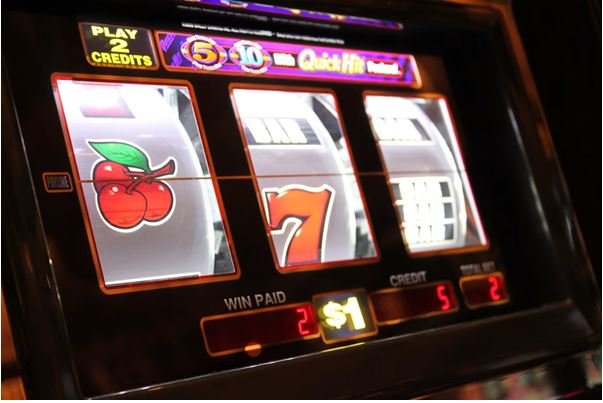

The fruit machine was a familiar feature of many pubs throughout much of the 20th century. Over time, the format moved from physical cabinets to digital platforms, while keeping several of the visual elements that made it recognisable.
The machine earned its nickname from the fruit symbols used on early models. British manufacturers later adapted the format into a version that became closely associated with pub culture.
What Set the Format Apart
One feature often associated with fruit machines was the introduction of buttons such as hold and, in some models, nudge. Some historical accounts attribute the nudge feature to Trevor Carter of Carfield Engineers Ltd in the 1960s, although that attribution is best treated as a historical claim rather than a settled fact.
Compared with many American slot machines of the same era, British fruit machines offered a more interactive structure. That difference helped define the format, although outcomes still depended on the machine’s mechanics rather than on any meaningful degree of player control.
Another defining element was the feature board, a trail of squares that lit up as symbols appeared. Depending on the machine, reaching the end could unlock additional features.
When these cabinets were later adapted into online slots, designers often preserved recognisable elements such as the trail concept. The interface changed, but the visual structure remained familiar.
From the Pub to the Screen
The fruit machine became associated with pubs in the 1960s and 1970s, when public bars were an important part of social life. Cabinets were commonly placed in shared spaces such as bar corners or near other entertainment machines.
The shift to digital began in the 2000s, when online distribution made it possible to adapt familiar cabinet formats for browser-based products. Early versions often retained the three-reel layout and other recognisable design cues.
Payout structures for gaming machines have varied over time and by jurisdiction, so online versions are better understood as reflecting regulatory and technical ideas from earlier cabinets rather than copying a single fixed model.
Physical cabinets were generally limited to licensed premises, while digital versions were distributed through different channels and devices. That change altered how the format was presented and experienced, without changing its underlying visual identity.
Why the Format Endures
The format remains recognisable because its visual language survived the move away from the cabinet. Features such as nudge and hold puzzle remain part of the historical identity of the game, although their significance varies by machine and by era. Familiar symbols such as cherries, bars, and bells continue to evoke the original cabinets and help explain why the format remains visually distinctive.
Developers also tended to preserve the short, self-contained structure of the format. That brevity suited its original cabinet setting and helped it translate into digital form without changing its basic rhythm. Although the cabinet is now less visible in many pubs, its design legacy remains clear in later digital adaptations of the format.