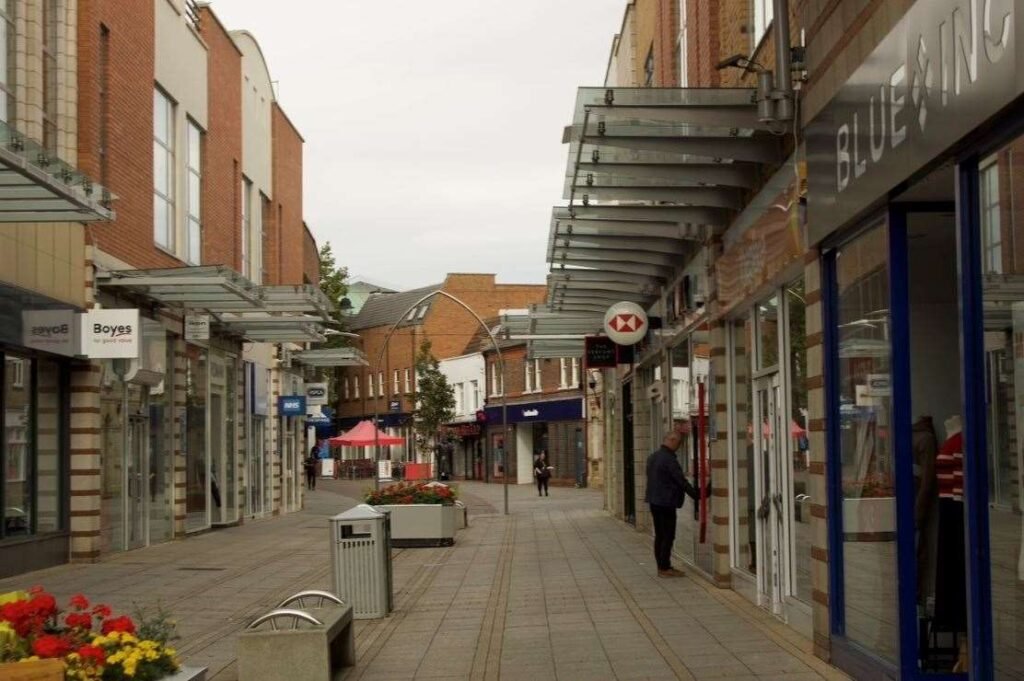

Town centres play an important role in the appeal of a residential area. Access to shops, restaurants, public services, transport and leisure facilities can influence where people choose to buy or rent, while regeneration can gradually change how residents use and perceive a location.
In King’s Lynn, ongoing investment and regeneration activity could influence property choices by improving the town centre environment, supporting local businesses and creating new opportunities for residents. For homeowners, landlords and investors, these changes are worth considering alongside established factors such as transport, schools and property type.
For anyone assessing the local market, speaking to Expert Local estate agents can provide useful insight into neighbourhood demand and the features buyers and tenants are prioritising.
Why Town Centre Regeneration Matters to Property Buyers
Regeneration can change more than the appearance of a town centre. Improvements to public spaces, retail areas, transport infrastructure and community facilities can affect how residents experience an area.
For property buyers, this can create a different set of considerations. A home close to a town centre may become more attractive when surrounding amenities improve, particularly for households that value convenience and reduced reliance on a car.
However, regeneration should always be assessed over the longer term. Projects can take several years to complete, and the effect on individual streets or properties can vary.
King’s Lynn Has an Established Town Centre
King’s Lynn has a long-established historic centre with a mixture of independent retailers, national businesses, cafés, restaurants and community facilities.
Its historic buildings and riverside setting contribute to the character of the town, while the central location provides residents with access to many everyday services.
For homeowners, living close to these facilities can make daily routines more convenient. For landlords, proximity to shops and transport can also be an attractive feature for tenants.
Transport Connectivity Supports Regeneration Appeal
Transport is an important part of King’s Lynn’s residential appeal.
King’s Lynn railway station provides services towards Cambridge and London King’s Cross, making the town relevant to commuters seeking access to employment centres outside West Norfolk.
The road network also connects the town with surrounding communities and wider Norfolk.
For buyers, transport access can influence the practical value of a location. A regenerated town centre that is also well connected can offer a combination of convenience and accessibility.
Schools Remain Important to Families
Regeneration does not replace the importance of established community infrastructure.
For families, schools remain one of the key considerations when choosing a property. King’s Lynn and the surrounding area provide a range of primary and secondary education options.
Parents may also consider the distance between their home, school, transport links and everyday amenities.
Neighbourhoods that combine suitable housing with convenient access to these facilities can appeal strongly to family buyers.
Improved Amenities Could Influence Buyer Preferences
One potential benefit of town centre investment is the improvement or expansion of local amenities.
Retailers, cafés, restaurants, leisure facilities and community spaces can make a central location more attractive to residents.
For some buyers, being able to walk to shops or restaurants can outweigh the appeal of having a larger property further from the centre.
This can be particularly relevant to professionals, downsizers and households seeking a more convenient lifestyle.
Riverside and Historic Character Add Lifestyle Appeal
King’s Lynn’s historic character is an important part of its identity.
The town’s historic streets, architecture and relationship with the River Great Ouse create a distinctive environment compared with newer residential areas.
For buyers, this can add a lifestyle dimension to the property search. A home may appeal not only because of its internal space but also because of what residents can experience within the surrounding neighbourhood.
Regeneration that complements this existing character could potentially strengthen the town centre’s attractiveness.
Green Spaces Provide a Balance
Access to outdoor space is also relevant when considering town centre living.
King’s Lynn has parks, open spaces and riverside areas that provide opportunities for walking and recreation.
For residents, this can help balance the convenience of central living with access to outdoor environments.
Buyers may therefore consider not just how close a property is to the town centre but also how easily they can reach parks and other open spaces.
Regeneration Could Create Opportunities for Investors
Property investors often monitor regeneration because improvements to infrastructure and amenities can influence tenant preferences.
A well-located property near transport, employment and improved town centre facilities may appeal to professionals and other renters seeking convenience.
King’s Lynn’s commuter connections towards Cambridge and London can add another layer of potential rental demand.
However, investors should avoid assuming that regeneration automatically leads to higher returns. Purchase price, rental income, property condition, service charges, financing costs and local competition all need to be assessed.
Different Property Types May Benefit Differently
Regeneration does not necessarily affect every property in the same way.
Apartments and smaller homes within walking distance of the centre may appeal to professionals and downsizers who prioritise convenience.
Larger houses in surrounding residential areas may be more attractive to families seeking gardens, parking and access to schools.
Investors and homeowners should therefore consider how the characteristics of an individual property match the needs of its likely target market.
Energy Efficiency Is Becoming Part of Property Decisions
Running costs are increasingly relevant to both buyers and tenants.
Energy-efficient homes with effective insulation, modern heating systems and good EPC ratings can help households manage their ongoing costs.
For landlords, energy performance can also influence tenant expectations and future property management requirements.
When assessing a property close to a regeneration area, buyers should therefore consider both the location and the condition of the home itself.
Regeneration Can Support Wider Economic Activity
A successful town centre can support more than residential property demand.
Improved public spaces, commercial areas and community facilities can encourage businesses to invest and potentially create additional employment opportunities.
For King’s Lynn, strengthening the town centre could reinforce its role as a service and employment hub for West Norfolk.
A stronger local economy can, in turn, support demand for homes from people who want to live close to work and everyday facilities.
What Homebuyers Should Consider
Regeneration can be an attractive factor, but it should form part of a wider property assessment.
Buyers should consider:
- The property’s distance from planned improvements
- Transport connections
- Local schools
- Existing amenities
- Parking and access
- Property condition
- Energy efficiency
- Future housing supply
- The timescale of regeneration projects
This approach helps buyers distinguish between immediate benefits and potential longer-term changes.
What Landlords and Investors Should Watch
For property investors, it can be useful to monitor how regeneration affects tenant preferences rather than focusing solely on projected capital growth.
Changes in footfall, employment, transport, retail provision and local housing supply can all influence rental demand.
Investors should also consider whether the property itself meets tenant expectations. A convenient location may attract attention, but good condition, appropriate space and reasonable running costs remain important.
King’s Lynn’s Property Market Could Benefit From a Stronger Town Centre
Town centre regeneration can influence property choices by changing the balance between convenience, lifestyle and accessibility.
King’s Lynn already benefits from historic character, transport connections, schools, amenities and access to the wider Norfolk area. Improvements to the town centre could complement these existing strengths and provide additional reasons for buyers and tenants to consider centrally located homes.
For homeowners, landlords and investors, the key is to look beyond regeneration headlines and assess how individual projects interact with the wider property market.
As King’s Lynn continues to evolve, homes that combine practical accommodation with access to transport, schools, amenities and an improving town centre could remain well positioned to meet changing buyer and tenant preferences.